
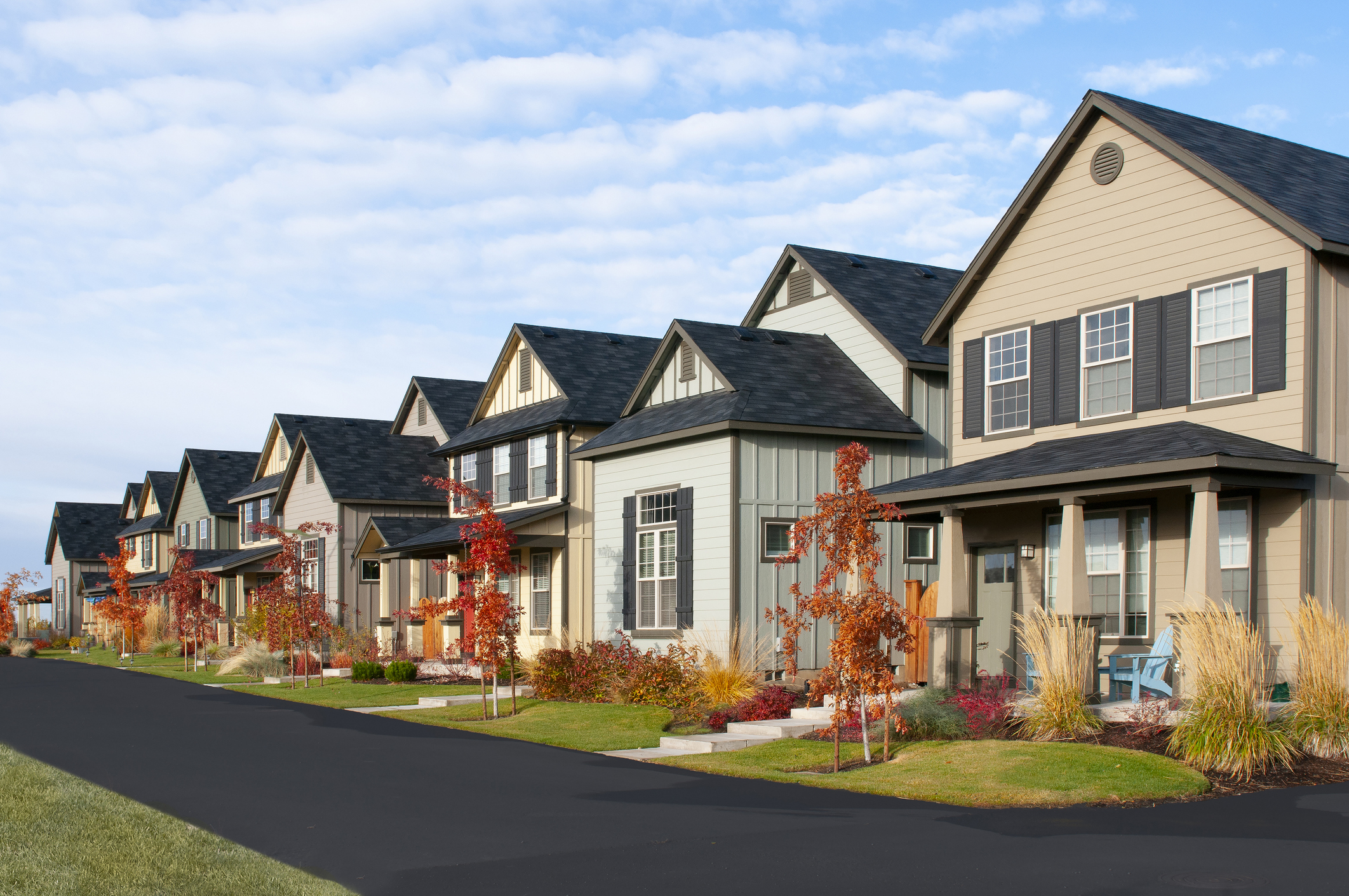
DSCR Loans in U.S. Commercial Real Estate: Financing Based on Cash Flow, Not Tax Returns
This edition explains how DSCR (Debt Service Coverage Ratio) loans work for long-term rental assets in the United States. It covers deal structure, costs, lender types, qualification standards, documentation, underwriting logic, fraud protection, common pitfalls, and a practical case study—written for both experienced practitioners and readers who are new to CRE finance.
Introduction: What DSCR Loans Are & Why They Matter
Purpose: Establish foundational understanding of DSCR loans and when they are strategically used.
DSCR (Debt Service Coverage Ratio) loans are cash-flow-based financing solutions used primarily for long-term rental properties. Unlike traditional bank loans, approval is driven by the property’s income—typically actual rent or market rent—rather than the borrower’s W■2s or tax returns.
Used when:
- Investors want to scale portfolios
- Borrowers have complex income structures (entrepreneurs, high write-offs, self-employed) • Acquiring or refinancing stabilized rentals
- Holding properties long term as income-producing assets
DSCR loans shift underwriting from the borrower’s personal income to the property’s ability to pay its own debt. This creates a scalable pathway for rental investors who may not qualify under conventional underwriting but own strong cash-flowing assets. When structured correctly, DSCR debt becomes a repeatable financing tool for portfolio growth.
Typical Terms & Deal Parameters
Purpose: Set realistic expectations for market terms so borrowers can evaluate offers and feasibility.
While programs vary by lender and asset type, DSCR loans typically feature long terms (often 30 years) and fully amortizing payments. Pricing and leverage are primarily driven by the DSCR level, LTV, credit, and property type.
| Metric | Typical Range |
| Loan Term | 30-year fixed or ARM |
| Interest Rate | 6.75%–9.5% |
| LTV | 65%–80% |
| DSCR Requirement | 1.00x–1.25x |
| Amortization | Fully amortizing |
| Prepayment | 3–5 year step-down (common) |
| Recourse | Non-recourse common (varies by lender) |
| Loan Size | $150K–$5M+ (program dependent) |
DSCR loans provide long-term, amortizing debt that behaves more like a mortgage than a bridge loan. The stronger the DSCR (more cash flow relative to the debt payment), the better the pricing and leverage options. Understanding baseline market terms helps borrowers quickly identify whether a quote is competitive or unusually restrictive.
Financing Costs: Breaking Down the Real Numbers
Purpose: Reveal total cost of capital so borrowers can budget correctly and compare options on an apples-to-apples basis.
A DSCR quote is not just the interest rate. Borrowers should expect a combination of lender fees, third-party reports, title/settlement charges, and reserve requirements that can materially affect proceeds and returns.
| Cost | Typical Range |
| Interest Rate | 6.75%–9.5% |
| Lender Origination | 1%–2% |
| Broker Fee | 1%–2% (if brokered) |
| Underwriting Fee | $1,500–$5,000 |
| Appraisal | $500–$2,500 |
| Title / Legal | $2,000–$8,000 |
| Reserves | 3–12 months PITI (program dependent) |
| Total Closing Costs | 3%–6% of loan amount (typical) |
Interest rate is only one component of cost. Origination fees, third-party reports, reserves, and title/legal expenses often determine how much cash a borrower must bring to closing—and how attractive the deal truly is. Budgeting these items early prevents last-minute shortfalls and improves your negotiating posture.
Capital Source Variations
Purpose: Explain how lender type impacts pricing, leverage, underwriting flexibility, and speed to close.
DSCR loans are offered by multiple capital sources. The same deal can produce very different terms depending on who is funding it. Speed, documentation requirements, and tolerance for “non-standard” properties vary widely—so lender selection is a strategic decision.
| Lender Type | Structure & Underwriting Style | Typical Timeline | Best Use Case |
| Banks | Lowest pricing but strict documentation; often higher DSCR and lower leverage. 45–75 days Strong borrowers, clean files, conventional-l | ||
| Non-QM Lenders | Flexible income approach; strong DSCR focus; investor-friendly programs. 15–30 days Scaling investors, LLC ownership, faster ex | ||
| Debt Funds | Portfolio and larger-balance DSCR; can be more creative on structure. 10–25 days Larger portfolios, repeat sponsors, complex |
| Credit Unions | Relationship-driven; can be competitive but local/regional focus. 30–60 days | ||
| Fintech Platforms | Streamlined processes; fast pre-approvals; program-driven underwriting. 7–15 days Speed-focused closings and smaller-to-mid | ||
| Private Capital | Highly customized; pricing varies; terms can be bespoke. 10–30 days |
Local portfolios, borrowers with strong bank
Unique assets, special situations, or non-st
Capital source drives the borrower experience. Banks may offer lower rates but demand more documentation and time. Non-QM lenders and fintech channels can close faster with standardized programs. Debt funds and private capital can solve complex needs, often at higher cost. Selecting the right lender type early prevents delays, re-trades, and failed closings.
Asset Class Applications
Purpose: Show where DSCR programs fit across different rental property types and which situations require extra scrutiny.
Common DSCR property types:
- Single-Family Rentals (SFR) and SFR portfolios
- 2–4 unit residential rentals
- Small multifamily (often 5–50 units under many programs)
- Short-term rentals (STR) under specialized DSCR rules
- Mixed-use properties (case-by-case; often limited residential % requirements)
- Student housing (often requires strong history and market story)
- Section 8 / subsidized rentals (stable income can be attractive to lenders)
DSCR loans are best suited for stabilized rentals where income can be verified through leases or market-rent analysis. Programs tend to be easiest for SFR, 2–4 units, and small multifamily, while STR, mixed-use, and specialty housing often require additional documentation and more conservative terms. Knowing asset eligibility up front helps borrowers avoid wasted time with mismatched lenders.
Borrower Profile: Who Qualifies and Why
Purpose: Help investors self-assess readiness and understand why lenders still evaluate sponsor strength.
Typical borrower expectations:
- Credit score: commonly 620–700+ (better pricing at higher tiers)
- Liquidity: typically 6–12 months of PITI (principal, interest, taxes, insurance) reserves
- Experience: preferred but often not required for smaller loans; helps on portfolios and specialty assets • Entity ownership: LLC ownership is commonly allowed (program dependent)
- Background: clean legal history; no unresolved tax liens; bankruptcies/foreclosures may require seasoning • Property management plan: clarity on how the asset will be operated and maintained
Even though DSCR loans rely on property cash flow, lenders still want evidence that the sponsor can manage risk. Credit and liquidity show the borrower can withstand vacancies, repairs, or operating shocks. Experience and a credible management plan reduce execution risk—especially for portfolios or specialty rentals. Strong sponsorship often translates into smoother underwriting and better terms.
Documentation & Application Requirements
Purpose: Prepare borrowers for what lenders request at application and underwriting so the process moves faster.
Application stage (commonly requested):
- Loan application and borrower information
- Purchase contract (for acquisitions) or payoff statement (for refinances)
- Rent roll and lease agreements (or STR income documentation, if applicable)
- Bank statements to evidence liquidity/reserves
- Credit authorization
Underwriting stage (commonly requested):
- Appraisal (often includes market rent conclusions)
- Operating statement / T■12 (when applicable)
- Insurance binder/quote meeting lender coverage requirements
- Entity documents (LLC operating agreement, EIN, ownership chart)
- Proof of reserves (often 3–12 months PITI, depending on program)
- Property condition or inspection items (program dependent)
Documentation is the friction point in most DSCR closings. Borrowers who compile leases, rent rolls, bank statements, and entity documents upfront can materially shorten the closing timeline. Clear documentation reduces lender uncertainty, minimizes repeated requests, and often prevents last-minute conditions that delay funding.
Pre-Due Diligence & Fraud Protection for Borrowers
Purpose: Protect borrowers from scams and predatory actors, particularly in the private/non-bank lending ecosystem.
Best practices before engaging a lender:
- Verify lender identity, licensing, and reputation; validate contact details independently • Research reviews, litigation history, and borrower experiences where available
- Avoid paying large upfront “application” or “processing” fees before receiving credible documentation • Demand written term sheets and a transparent fee schedule
- Use a transactional real estate attorney to review commitments and closing documents • Consider using a reputable CRE financing broker to vet lenders and prevent wasted time
The DSCR market includes high-quality institutional lenders—and also bad actors who prey on inexperienced borrowers. Borrowers should verify lender credibility, avoid excessive upfront fees, and insist on written terms. Legal review is essential, and experienced brokers often serve as an added layer of due diligence by filtering lenders and spotting red flags early.
Lender Underwriting Criteria: What Makes or Breaks a Deal
Purpose: Show how underwriters think so borrowers can proactively strengthen the file.
Core underwriting factors typically include:
- DSCR calculation accuracy (income assumptions and expense treatment)
- Market rent sustainability (appraiser conclusions and local comparables)
- Vacancy trends and local supply/demand fundamentals
- Property condition and deferred maintenance risk
- Borrower liquidity and reserve sufficiency
- Concentration risk (large exposure to one market or one borrower)
- Insurance and title clarity
DSCR underwriting is ultimately a durability test: will the property reliably produce enough income to cover the mortgage? Underwriters pressure-test rents, vacancy, and market health, while also assessing borrower reserves to handle surprises. Understanding these factors helps borrowers present realistic numbers, choose the right leverage, and avoid preventable declines.
Pitfalls to Avoid
Purpose: Educate borrowers on common mistakes that reduce returns, delay closings, or create refinancing traps.
Common pitfalls:
- Inflated rent projections that don’t match market or appraisal conclusions
- Insufficient reserves, leading to last-minute conditions or denial
- Misunderstanding ARM structures and future payment risk
- Overleveraging (high LTV) that compresses cash flow and lowers DSCR
- Ignoring prepayment penalties and step-down schedules when planning exits
- DSCR miscalculations due to incorrect income/expense assumptions
- Working with unverified lenders or accepting unclear fee structures
DSCR loans are straightforward—until small details are ignored. Rent assumptions drive approvals; over-optimism often backfires at appraisal. High leverage can reduce DSCR and raise the rate, harming long-term cash flow. Prepayment and ARM features can also trap borrowers if refinance or sale timing changes. Avoiding these pitfalls protects both returns and optionality.
Case Study: Portfolio DSCR Refinance
Purpose: Demonstrate how DSCR financing works in practice using a realistic scenario.
Example:
- Deal: 10 SFR portfolio – Tampa, Florida
- Loan: $2.8M DSCR refinance
- Rate: 7.65% fixed
- DSCR: 1.22x
- Reserves: 9 months PITI
- Outcome: $600K cash-out while retaining the portfolio
This example shows how DSCR loans can unlock equity without forcing an asset sale. By demonstrating strong cash flow and maintaining adequate reserves, the borrower refinanced into long-term debt and extracted liquidity. Used responsibly, DSCR refinancing is a repeatable strategy to fund acquisitions, renovations, or
diversification while keeping ownership.
Call to Action & Why a CRE Financing Broker Improves Outcomes
Purpose: Drive engagement and explain why experienced brokerage support increases closing probability and improves loan terms.
Have rental properties you want financed? Submit your deal summary for a quick pre-screen and lender match.
Why working with a reputable CRE financing broker helps:
- Lender access: brokers maintain relationships with multiple DSCR lenders, expanding options beyond a single bank
- Lender fit: matching your asset type (SFR, small multifamily, STR, Section 8) to the right program prevents declines
- Pre-underwriting: brokers help validate DSCR math, reserve requirements, and documentation before submission
- Negotiation: experienced brokers negotiate pricing, fees, reserves, and prepayment terms—and spot hidden constraints
- Process management: coordinating appraisals, title, insurance, and lender conditions reduces timeline risk • Fraud protection: brokers help screen out unlicensed, predatory, or non-performing “lenders”
Next Issue: Construction Loans – From Dirt to Doors
A knowledgeable broker increases your probability of a clean approval by packaging the deal correctly and choosing the lender most aligned with your asset, timeline, and leverage. Brokers also protect borrowers from fee traps and predatory actors, while managing the process to reduce delays. The result is usually better execution, fewer surprises, and a materially higher likelihood of reaching the closing table.